
Case Studies
Infrastructure Upgrades
An overview of the engineering work and technical considerations typical of infrastructure upgrades projects.
Case Studies
Infrastructure Upgrades: Overview
Buildings age in ways that are not always visible from the outside. Boilers, chillers, switchgear, risers and distribution pipework all have a finite service life, and as they approach the end of it, performance degrades, energy use rises and the risk of unplanned failure increases. Infrastructure upgrade works address this directly, replacing or renewing the core mechanical and electrical systems that a building depends on, usually while the building remains partly or fully occupied.
This type of work differs from new-build installation in one fundamental respect: it has to be planned around an existing, often live, environment. Risers may be shared with other tenants, plant rooms may be the only route for several building systems, and shutdowns need to be sequenced to avoid disrupting occupants or critical operations. Surveys and condition assessments typically precede any design work, establishing what exists, how it was installed, and what constraints the existing building fabric places on a replacement scheme.
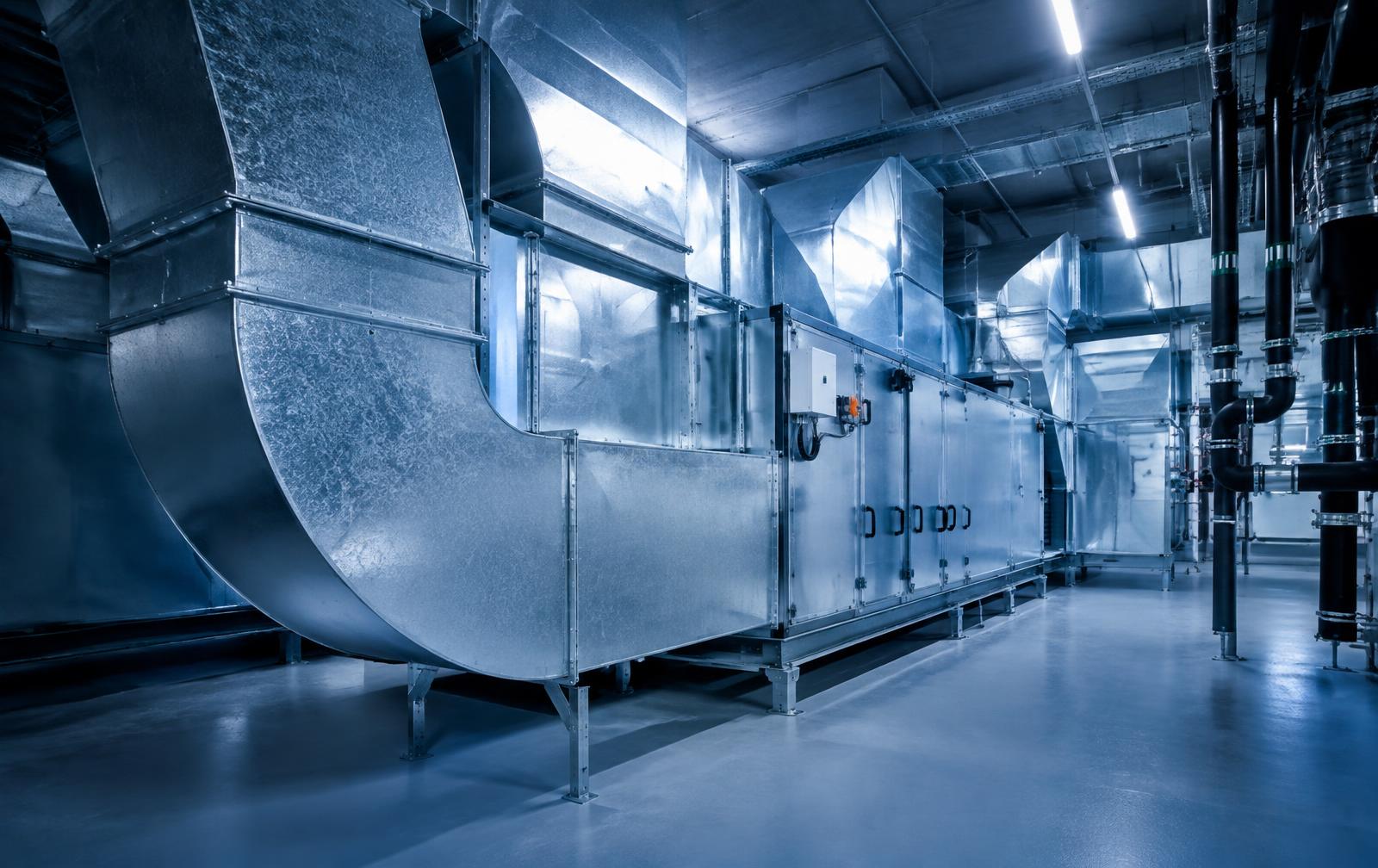
The technical scope can include electrical distribution and switchgear renewal, mechanical plant replacement such as boilers, chillers and air handling units, upgraded building management system controls, and improvements to resilience and energy efficiency. Because these projects often run over months rather than weeks, coordination, phasing and clear communication with building occupants and managing agents are as important as the engineering itself.
Done well, an infrastructure upgrade should leave a building materially more reliable and efficient than before, with modern controls, reduced maintenance liability, and plant that is properly documented for the next generation of facilities management.
What Infrastructure Upgrade Work Typically Involves
Infrastructure upgrades are rarely a single discrete task; they usually combine several interrelated workstreams that have to be sequenced carefully against a live building's operation. The starting point is almost always a condition survey, which establishes the age, capacity and compliance status of existing plant and distribution systems, and identifies any immediate safety or operational risks.
From there, the design and delivery process has to account for access constraints, isolation and shutdown planning, and the practical realities of working within an occupied structure. Electrical infrastructure renewal might involve replacing ageing switchgear, distribution boards and cabling to meet current demand and safety standards. Mechanical renewal typically covers heating and cooling plant, pumps, and the pipework and ductwork networks that distribute heating, cooling and ventilation around the building.
Controls and metering are frequently upgraded alongside the physical plant, since modern building management systems allow far better visibility of performance and faster fault diagnosis than the systems they replace. Fire and life safety interfaces also need to be checked and, where necessary, upgraded as part of the same works, since infrastructure renewal is a natural point at which to bring ageing systems into closer alignment with current standards.
- Condition surveys and lifecycle assessment of existing plant
- Shutdown planning and phased works to minimise disruption
- Electrical distribution and switchgear renewal
- Mechanical plant replacement, including boilers, chillers and air handling units
- Building management system and controls upgrades
- Handover documentation to support future maintenance
Typical Work
Typical Infrastructure Upgrades Work
A selection of the work types most commonly associated with this category.
Plant Replacement
Removal and installation of boilers, chillers, pumps and air handling units at end of service life.
Electrical Distribution Renewal
Upgrading switchgear, distribution boards and cabling to meet current demand and safety requirements.
Controls and BMS Upgrades
Modernising building management systems to improve monitoring, control and energy performance.
Riser and Pipework Renewal
Replacing ageing distribution pipework and containment within risers and plant spaces.
Shutdown and Phasing Planning
Sequencing works to maintain continuity of service for occupied buildings during renewal.
Projects
Discuss a Infrastructure Upgrades Project
Get in touch with MaxBluemanGroup to talk through your infrastructure upgrades requirements.