
What We Do
Planned preventative maintenance for building services
Scheduled inspection and maintenance that protects asset life, supports compliance and reduces the likelihood of unplanned failures.
Overview
What planned preventative maintenance is
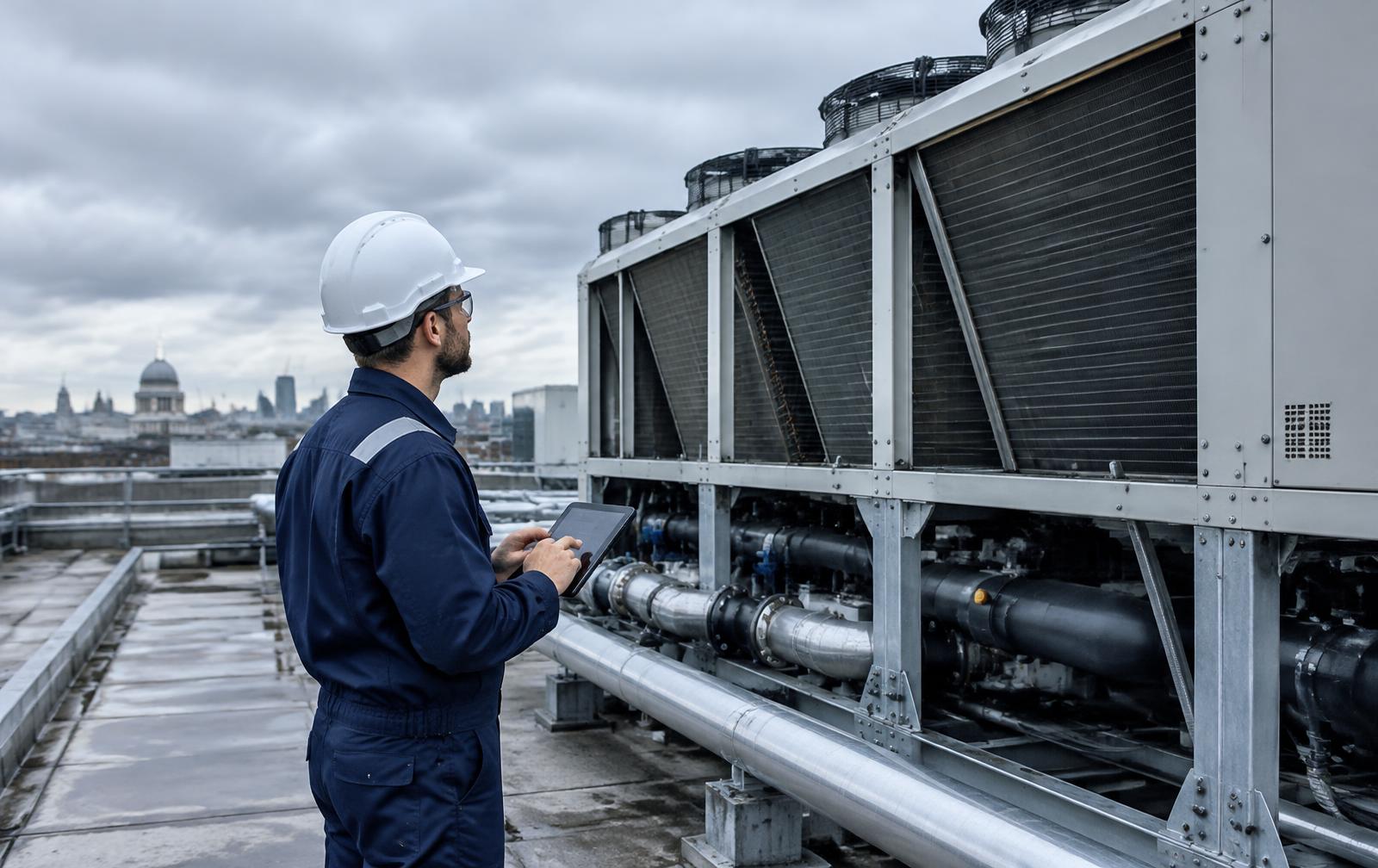
Planned preventative maintenance, usually shortened to PPM, is a structured programme of inspection, servicing and minor repair carried out at scheduled intervals, rather than in response to a fault. The purpose is to identify and address wear, deterioration or minor defects before they develop into failures, extending the working life of plant and equipment and reducing the likelihood of unplanned downtime.
PPM sits in contrast to reactive maintenance, which responds to faults after they occur. The two approaches are complementary: a well-run PPM programme reduces the frequency and severity of reactive call-outs, while any reactive work that does occur provides useful information that can refine future maintenance planning.
Why planned maintenance matters
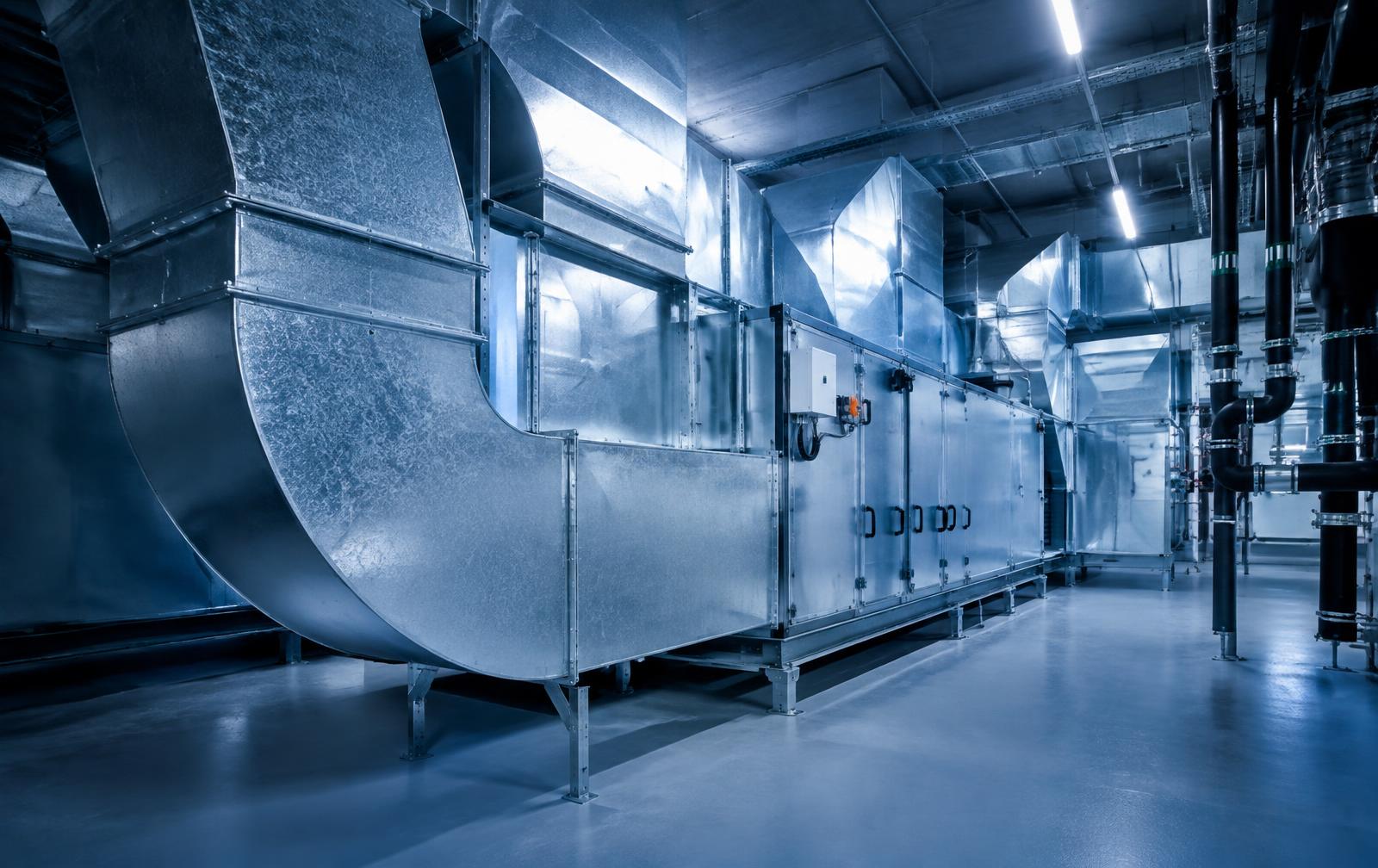
Building services plant degrades over time, whether through mechanical wear, corrosion, fouling, or simple age. Left unchecked, this degradation tends to progress quietly until a component fails, often at an inconvenient moment and sometimes with knock-on effects on other systems or on the comfort and safety of building occupants.
Regular, planned attention catches this degradation early. A fan belt that is starting to wear, a valve that is beginning to seize, or an electrical connection that is loosening can all be identified and addressed during a routine visit, long before they would otherwise be noticed as a breakdown.
- Fewer unplanned failures
- Longer asset working life
- Reduced lifetime running costs
- Better continuity for building occupants
Foundations
Asset management and asset registers
Effective PPM depends on knowing exactly what plant and equipment exists within a building, where it is located, when it was installed, and what condition it is in. An asset register is the record that captures this information: make, model, age, location, maintenance history and any manufacturer requirements relevant to servicing.
Asset management goes beyond simply listing equipment. It involves understanding the relative importance, condition and remaining life of each asset, so that maintenance effort and budget can be directed where they will have the greatest effect, and so that replacement can be planned ahead of failure rather than in response to it.
Scope
Maintenance across mechanical, electrical and public health systems
A comprehensive PPM programme covers all of the building services disciplines that keep a building functioning, each with its own maintenance requirements.
Mechanical maintenance
Boilers, chillers, pumps and associated plant are serviced to manufacturer and industry guidance, checking for wear, leaks, vibration and efficiency losses.
Electrical maintenance
Distribution boards, switchgear and circuits are inspected for signs of overheating, loose connections or deterioration, alongside testing of safety-critical systems.
HVAC maintenance
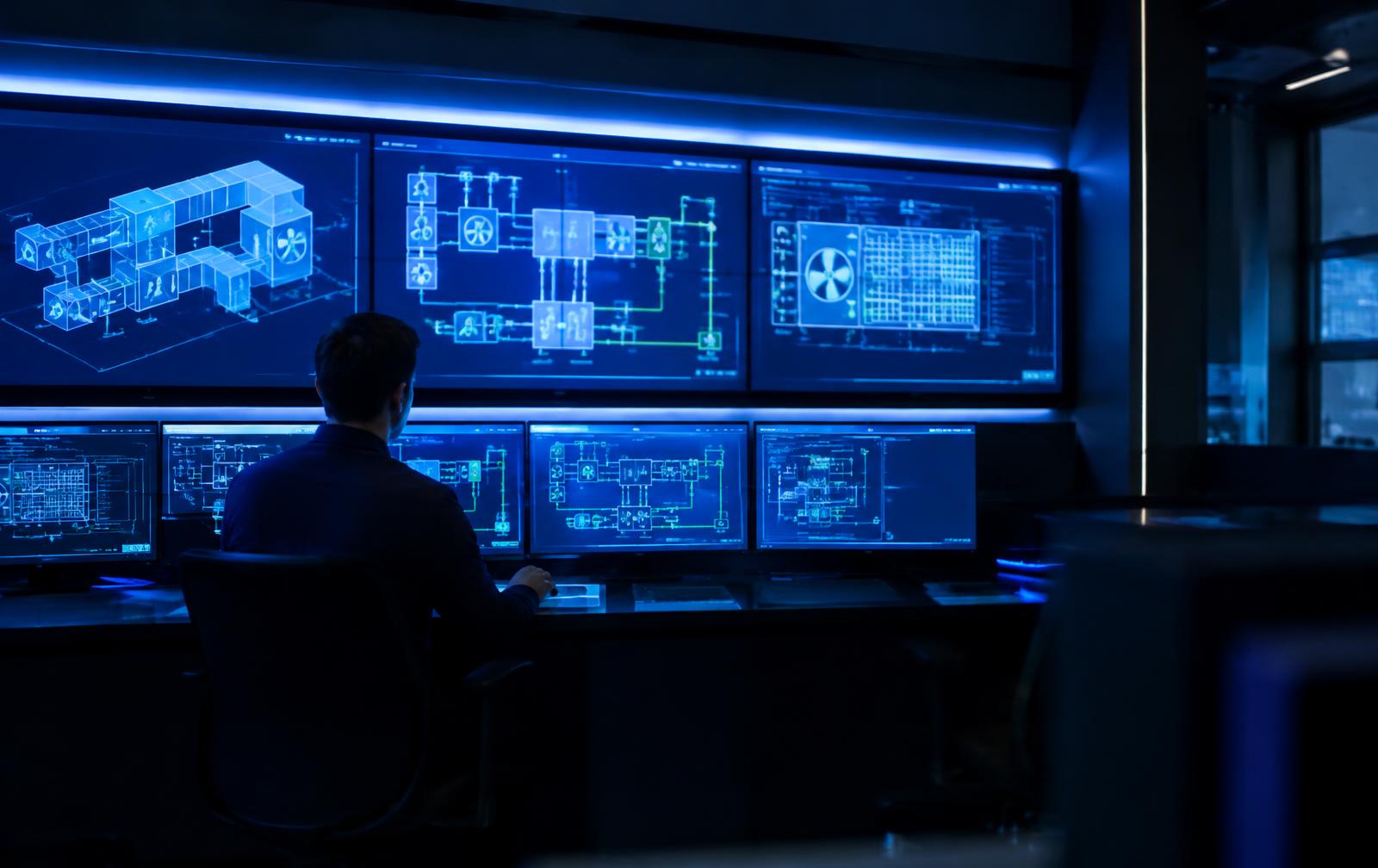
Air handling units, filters, dampers and controls are checked and serviced to maintain air quality, airflow and system efficiency.
Heating and ventilation
Heat emitters, ductwork and ventilation plant are inspected to ensure consistent comfort conditions and to identify blockages or fouling early.
Plumbing and water systems
Pipework, valves, tanks and fittings are checked for leaks, corrosion and water quality risks, including measures associated with legionella control.
Life safety systems
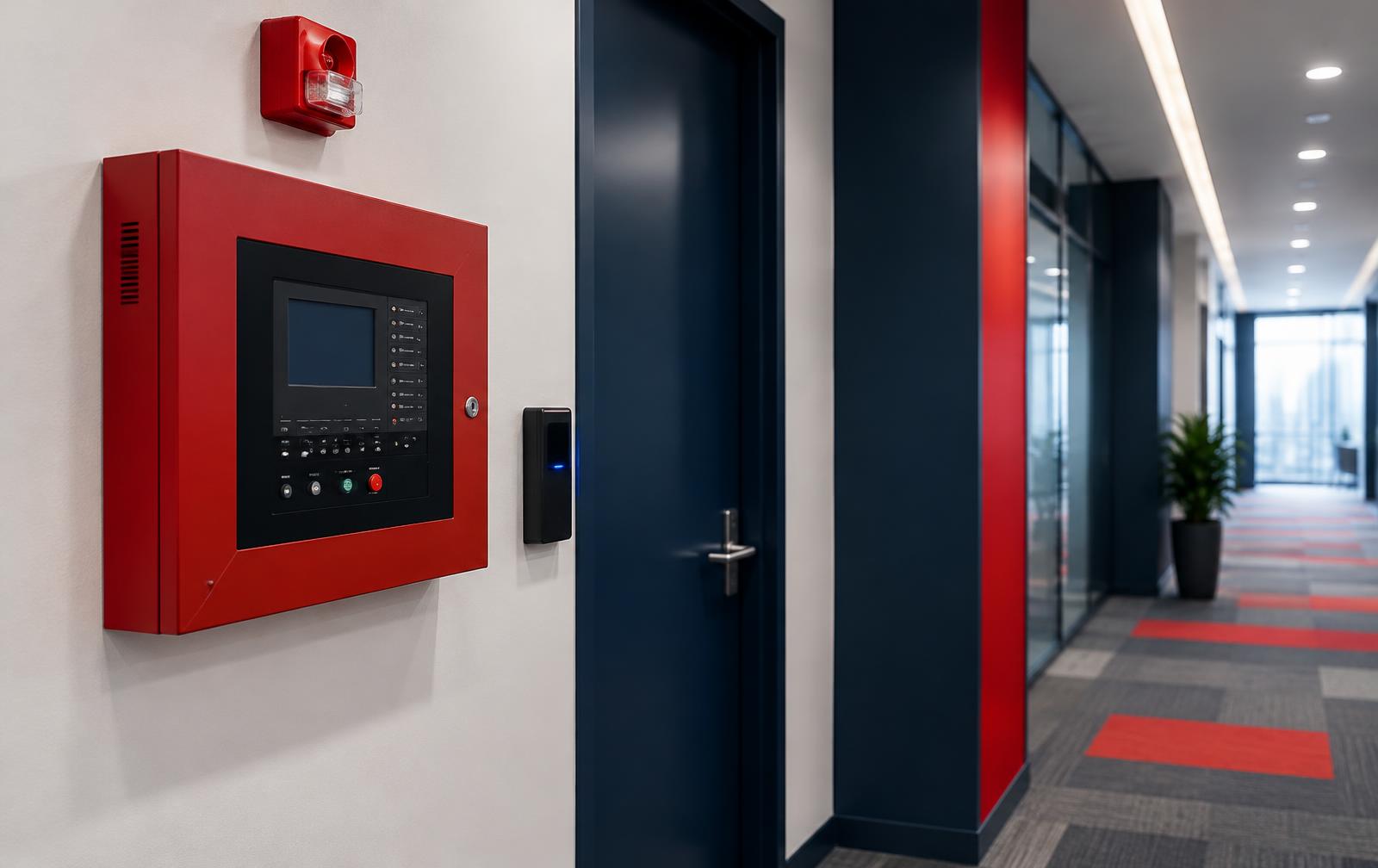
Fire alarm, emergency lighting and related systems are tested and maintained in line with the specific standards that apply to each system.
Inspections, schedules and condition monitoring
Inspection is the practical core of PPM: a scheduled visit where equipment is checked, tested, cleaned or adjusted as required. The frequency of inspection varies by asset type, with some equipment requiring monthly or quarterly attention and others needing only annual servicing, depending on its criticality, manufacturer guidance and applicable statutory requirements.
Condition monitoring extends this further, using visual inspection, measurement or, in some cases, sensors to track how an asset's condition changes over time. This allows maintenance to be targeted at assets that are showing signs of deterioration, rather than applying a uniform schedule regardless of actual condition.
- Risk-based inspection frequencies
- Manufacturer guidance followed for each asset type
- Condition trends tracked over time
- Findings fed back into the maintenance schedule
Compliance
Statutory considerations in maintenance planning
A number of building services systems are subject to statutory inspection or maintenance requirements, covering areas such as gas safety, electrical safety, water hygiene, fire safety and lifting equipment. These requirements exist to protect the safety of building occupants and set minimum standards for the frequency and nature of inspection.
A PPM programme needs to account for these statutory obligations alongside general good-practice maintenance, ensuring that mandatory inspections are not missed and that records are kept to demonstrate compliance.
Reporting and documentation
Every PPM visit should produce a clear record of what was found, what was done, and what, if anything, needs further attention. This documentation serves several purposes: it provides evidence of compliance, it builds a maintenance history for each asset, and it gives the client visibility of the condition of their building services without needing to inspect the plant themselves.
Good reporting also flags developing issues before they become urgent, giving the client the information needed to plan and budget for repairs or replacement ahead of time, rather than being caught by surprise.
- Clear visit-by-visit records
- Evidence to support compliance
- Early warning of developing issues
- A maintenance history for every asset
Industry concepts
SFG20, CAFM and digital reporting
Across the building maintenance industry, a number of established frameworks and tools are used to standardise and manage maintenance activity. SFG20 is a widely recognised industry standard for building maintenance, setting out recommended maintenance tasks and frequencies for a broad range of building services assets. It is used across the sector as a reference point for what 'good practice' maintenance looks like for a given type of equipment.
Computer-Aided Facilities Management (CAFM) systems are software platforms used within the industry to schedule maintenance tasks, log completed work, manage asset registers and generate reports. Digital reporting more generally refers to the move away from paper-based records towards electronic logging of inspections, certificates and maintenance history, making information easier to retrieve, analyse and share. These are described here as general industry concepts that inform how maintenance is structured across the sector.
Benefits
Fault prevention, lifecycle and continuity
The cumulative effect of a well-run PPM programme extends well beyond the individual tasks carried out on any single visit.
Fault prevention
Catching wear and minor defects early reduces the number of faults that progress to the point of causing a system failure.
Lifecycle management
Understanding the condition and remaining life of assets allows replacement to be planned and budgeted for in advance.
Operational continuity
Fewer unplanned failures mean fewer disruptions to the people and activities that depend on the building.
Energy efficiency
Well-maintained plant tends to run more efficiently than neglected equipment, helping to manage energy consumption and running costs.
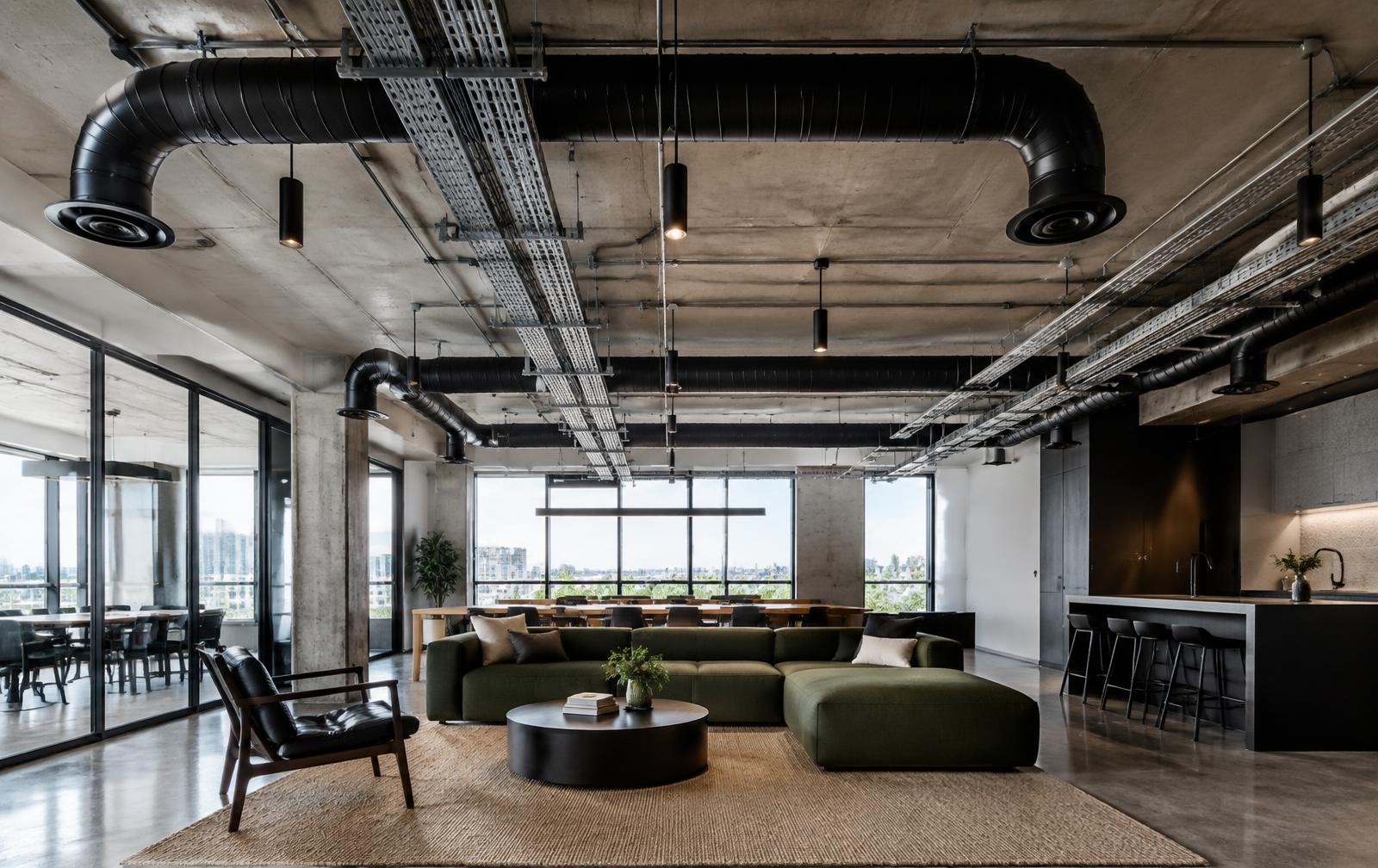
Maintenance that protects the investment in your building
A considered PPM programme extends asset life, supports compliance, and reduces the disruption and cost associated with unplanned failures.
FAQs
Common questions
Related pages
Discuss a maintenance contract
If you would like to discuss a planned preventative maintenance programme for your building, we are happy to talk through your requirements.